
The files arrive late. Scanned ledgers, half-lit photos of factory floors, loan statements with numbers that don’t quite line up. A plant outside Pune sits silent, paint peeling from the gates. In another state, a hotel runs at twenty percent occupancy, staff cut to a skeleton crew. These are not dead businesses. They are paused, strained, mismanaged, or simply caught on the wrong side of a cycle. In India, this is where distressed asset investing begins.
Distress in India has a pattern. Credit expands fast, often faster than discipline. Projects start with confidence and stall under delays, cost overruns, or weak demand. Banks carry the weight until they can’t. The asset moves into resolution. Under the Insolvency and Bankruptcy Code, timelines exist on paper. In practice, they stretch. Cases wind through tribunals, bidders circle, valuations swing. By the time a deal closes, what remains is rarely what was first imagined.
This gap between headline value and ground reality is the field investors step into. Distressed investing is not bargain hunting. It is reconstruction. You are not buying a stock. You are buying a situation. The machines may work, but supply chains have snapped. The brand may hold, but customers have drifted. The books show assets, but cash flow tells the truth.
India offers scale here. Sectors like infrastructure, real estate, steel, power, and hospitality carry cycles of boom and stress. Public sector banks, once loaded with non-performing assets, have spent years cleaning balance sheets. Asset reconstruction companies hold portfolios that need resolution. Private credit funds are stepping in, often faster than traditional lenders. The opportunity is wide, but uneven.
Execution decides outcomes. Legal clarity, operational turnaround, stakeholder alignment. Miss one, the deal bleeds. Get them right, the upside is real. Investors who succeed tend to move early, before assets degrade beyond repair. They build teams that understand both finance and operations. They negotiate hard, then stay longer than expected.
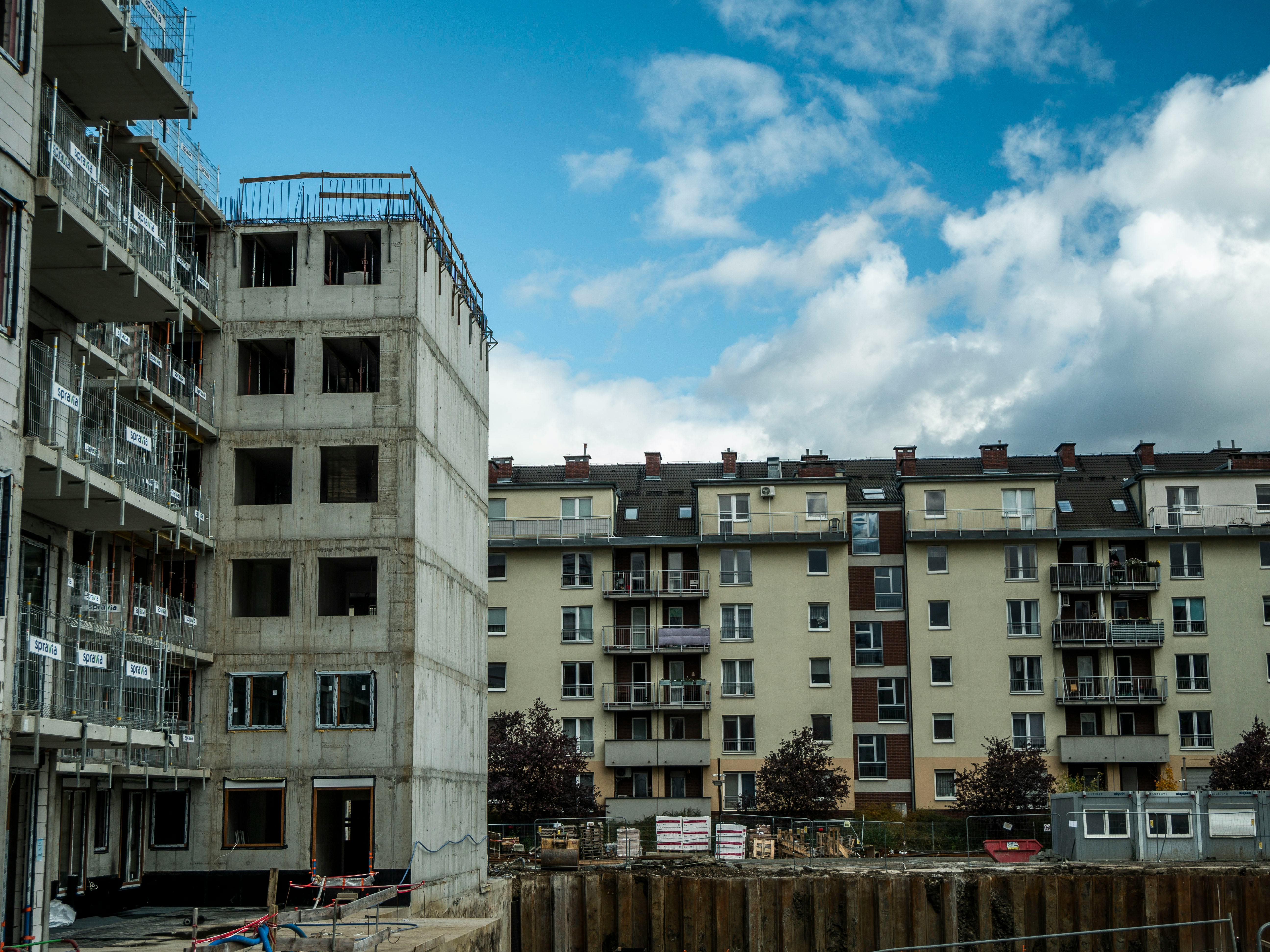
This is where many efforts fail. Capital comes in with a financial lens, but the asset demands something else. A factory needs new management, not just new money. A housing project needs approvals cleared, contractors paid, buyers reassured. Distress punishes distance. It rewards proximity and control.
GHL India Ventures enters this space with a different posture. Not as a passive bidder waiting for clean files, but as an active operator willing to work through noise. The approach is grounded in three moves. First, source selectively. Not every distressed asset deserves rescue. The focus stays on assets with underlying demand or strategic position, even if execution has faltered.
Second, structure with intent. Deals are built to account for delays, legal friction, and working capital needs. This is not about winning the bid. It is about surviving the process that follows. Flexible capital, staged deployment, and clear governance become essential.
Third, operate hands-on. GHL does not stop at acquisition. It steps into the asset. Management changes, cost discipline, vendor renegotiation, revenue rebuild. In some cases, repositioning entirely. A tired hospitality asset becomes a focused business hotel. A stalled project gets redesigned to match current demand, not past assumptions.
Technology threads through this work. Data systems track performance in real time. Dashboards replace guesswork. Early signals surface before problems compound. It does not remove risk, but it shortens reaction time. In distressed situations, speed matters.
There is also the investor side. Distressed deals are complex to explain and harder to trust. GHL leans on transparency. Clear reporting, defined payout structures where possible, and communication that does not hide the rough edges. It builds a base of investors who understand that returns here come with effort, not ease.
Why does this matter now. India’s growth story continues, but so do its dislocations. As credit cycles turn, more assets will slip into stress. The system will need participants who can move capital and fix what they buy. Not strip, not flip, but rebuild.
Distressed investing, done poorly, extracts value and leaves little behind. Done well, it restores capacity, saves jobs, and returns assets to productive use. The difference sits in execution.
In a quiet industrial lane, a factory gate opens again. The first shift walks in. Machines start, slow at first, then steady. The numbers on the screen begin to change. Not dramatic, not instant, but moving in the right direction. That is the work. That is where firms like GHL India Ventures place themselves. Not at the surface of the deal, but inside it, where recovery is earned.